
"robusta conditions"
2000 article(s) found

Robusta coffee beans and Arabica flavor difference which robusta coffee beans are the best?
Professional coffee knowledge exchange more coffee bean information Please follow the coffee workshop (Wechat official account cafe_style) Coffee bean ingredients include caffeine, tannin, fat, protein, sugar (carbohydrates), minerals and so on. The sugar in coffee beans brings sweetness, tannins and fatty acids bring sour taste, volatile fat brings aroma, and caffeine bitterness. The coffee is big

Robusta Coffee Grinding characteristics Flavor description method introduction to high-quality coffee beans
"Coffea Arabica" and "Coffea Robusta" are two different coffee varieties, which currently account for the vast majority of coffee bean production in the world. There are three main differences between Arabica coffee and Robusta coffee: 1. Differences in planting conditions. two。 The flavor and characteristics are different. 3. The difference between market price and use.

Arabica coffee beans hand-brewed Price characteristics Origin flavor description Taste Manor region Introduction
Arabica coffee beans hand-made price characteristics Origin flavor description Manor production area introduction ① Arabica Arabica planting conditions are more stringent, air humidity, regional altitude, soil fertility, sunshine conditions and other high requirements; Arabica coffee beans particles are larger, rich in flavor layers, regional personality. 2. Robusta Robusta on planting conditions

Comparison of basic Information of Coffee varieties
Suitable cultivation conditions: Arabica variety (Arabica) is suitable for plateau cultivation, Robesta variety (Robusta) is suitable for lowland cultivation, and Liberian variety (Liberica) is suitable for minimum cultivation. Production: the Arabica variety (Arabica) accounts for about 70-80% of the world's total output; the Robesta variety (Robusta) accounts for about 20-30% of the world's total output of Liberian varieties (Liberica)

Comparison of basic data of Coffee varieties
Suitable cultivation conditions: Arabica variety (Arabica) is suitable for plateau cultivation, Robesta variety (Robusta) is suitable for lowland cultivation, and Liberian variety (Liberica) is suitable for minimum cultivation. Production: the Arabica variety (Arabica) accounts for about 70-80% of the world's total output; the Robesta variety (Robusta) accounts for about 20-30% of the world's total output of Liberian varieties (Liberica)

What's the difference between Arabica coffee beans and Robusta coffee beans?
Like any other plant, coffee beans need to be very careful and considered when they grow. Arabica and Robusta coffee beans require very different conditions to thrive and bring us the coffee we are used to. When they start to grow, they're all like berries, but from there, they split up.

Arabica and Robusta
The difference between Arabica and Robusta in many places where coffee is sold, it is not difficult to find words like "100% Arabica". Even canned coffee has a style called "XX Arabica Coffee", which makes one wonder: what is "Arabica Coffee"? In fact, Arabica is the name of the coffee tree variety (species). Arabica (Coffea A)

Basic knowledge of coffee beans comparison of basic data of coffee bean varieties
Suitable cultivation conditions: Arabica variety (Arabica) is suitable for plateau cultivation, Robesta variety (Robusta) is suitable for lowland cultivation, and Liberian variety (Liberica) is suitable for minimum cultivation. Production: the Arabica variety (Arabica) accounts for about 70-80% of the world's total output; the Robesta variety (Robusta) accounts for about 20-30% of the world's total output of Liberian varieties (Liberica)

What's the difference between Arabica and Robusta coffee?
Following Cafe (Wechat official account vdailycom) found that Coffea Arabica and Coffea Robusta are two different coffee varieties, which now account for the vast majority of coffee bean production in the world. There are three types of Arabica coffee and Robusta coffee

What is the difference between Arabica and Robusta's different coffee beans?
In many places where coffee is sold, it is not difficult to find words like "100% Arabica". Even canned coffee appears in a style called "XX Arabica Coffee", which makes one wonder: what is "Arabica Coffee"? In fact, Arabica is the name of the coffee tree variety (species). Arabica (Coffea Arabica) and Robusta (Cof)
Boutique coffee learns the difference between Arabica and Robusta
In many places where coffee is sold, it is not difficult to find words like "100% XX Arabica". Even canned coffee appears in a style called "Arabica Coffee", which makes one wonder: what is meant by "Arabica Coffee"? "Arabica" and "Coffea Robusta" are two different varieties of coffee.
Boutique Coffee Science detailed explanation of Arabica vs Robusta
In many places where coffee is sold, it is not difficult to find words like "100% Arabica". Even canned coffee appears in a style called "XX Arabica Coffee", which makes one wonder: what is "Arabica Coffee"? In fact, Arabica is the name of the coffee tree variety (species). Arabica (Coffea Arabica) and Robusta (Cof)

What's the quality of Robusta coffee? is Robusta boutique coffee?
Is Arabica coffee the only coffee that can be considered high quality? Is Robusta always synonymous with poor quality? Robusta coffee accounts for about 40% of global coffee production. It grows faster than Arabica and is more tolerant to extreme weather conditions, but it often does not receive the same attention in the production and processing process. Robusta caffeine
Coffee common sense the difference between Arabica and Robusta
In many places where coffee is sold, it is not difficult to find words like "100% Arabica". Even canned coffee appears in a style called "XX Arabica Coffee", which makes one wonder: what is "Arabica Coffee"? In fact, Arabica is the name of the coffee tree variety (species). Arabica (Coffea Arabica) and Robusta (Cof)
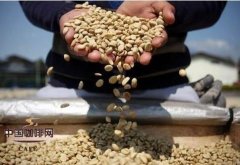
The comparison of coffee beans the difference between Arabica and Robusta
In many places where coffee is sold, it is not difficult to find words like "100% Arabica". Even canned coffee appears in a style called "XX Arabica Coffee", which makes one wonder: what is "Arabica Coffee"? In fact, Arabica is the name of the coffee tree variety (species). Arabica (Coffea Arabica) and Robusta (Cof)
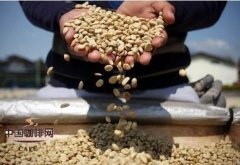
The basic knowledge of different coffee beans between Arabica and Robusta
In many places where coffee is sold, it is not difficult to find words like "100% Arabica". Even canned coffee appears in a style called "XX Arabica Coffee", which makes one wonder: what is "Arabica Coffee"? In fact, Arabica is the name of the coffee tree variety (species). Arabica (Coffea Arabica) and Robusta (Cof)

Two different coffee bean varieties Arabica and Robusta are different
In many places where coffee is sold, it is not difficult to find words like "100% Arabica", and even canned coffee has a style called "XX Arabica Coffee", which makes one wonder: What is "Arabica Coffee"? In fact, Arabica is the name of the coffee tree species. Coffea Arabica and Cof
Basic information on coffee varieties
Suitable cultivation conditions: Arabica variety (Arabica) is suitable for plateau cultivation, Robesta variety (Robusta) is suitable for lowland cultivation, and Liberian variety (Liberica) is suitable for minimum cultivation. Production: the Arabica variety (Arabica) accounts for about 70-80% of the world's total output; the Robesta variety (Robusta) accounts for about 20-30% of the world's total output of Liberian varieties (Liberica)

Cultivation conditions of three native species of coffee beans
Coffee is mainly divided into three categories: Arabica (Arabica), Robusta (Robusta) and Liberia (Liberica), but Arabica and Robsta are mostly in circulation in the market. No matter what it is, it has its advantages and disadvantages, and its purpose and use are not the same. There are about 40 species of coffee plants, but only coffee beans with commercial value can be produced.